Signs You Need to See a Hair Specialist Immediately
Hair fall and scalp problems are common, but sometimes they indicate an underlying condition that needs medical attention. Ignoring early warning signs can lead to permanent hair loss, thinning, or scalp damage. Dr. Desai’s Skin, Hair & Laser Clinic
Knowing when to consult a hair specialist can help you get the right diagnosis and treatment before the problem worsens.
Why Early Consultation Matters
Hair loss can be caused by genetics, hormonal imbalance, nutritional deficiencies, stress, medical conditions, or scalp infections. A specialist can identify the exact cause and recommend targeted treatment rather than temporary solutions.
Early treatment improves:
- Hair regrowth chances
- Scalp health
- Hair thickness and density
- Prevention of permanent hair loss
Major Signs You Should See a Hair Specialist
Excessive Hair Fall
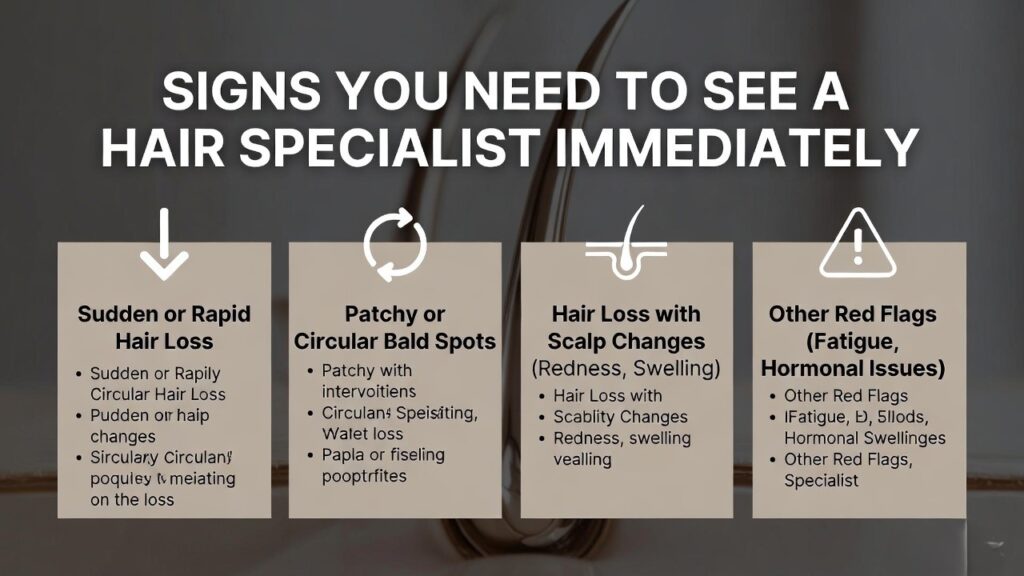
Losing 50–100 strands daily is normal. If you notice heavy shedding while combing, washing, or on your pillow, it may indicate a medical issue.
Sudden Hair Thinning
If your ponytail feels thinner or your scalp becomes more visible, it may signal conditions like androgenetic alopecia or nutritional deficiencies.
Receding Hairline or Bald Patches
Gradual hairline recession or patchy hair loss requires early evaluation to prevent progression.
Persistent Dandruff or Itchy Scalp
Severe dandruff, redness, or itching may indicate fungal infection, psoriasis, or dermatitis that needs medical treatment.
Hair Fall After Illness, Stress, or Weight Loss
Conditions like telogen effluvium can cause sudden hair shedding after stress, fever, surgery, or rapid dieting.
Hair Breakage and Weak Hair
Hair that breaks easily may result from damage, nutritional deficiencies, or scalp disorders.
Scalp Pain, Burning, or Inflammation
Pain or sensitivity in the scalp is not normal and should be examined by a specialist.
No Improvement with Home Remedies
If oils, shampoos, or supplements are not helping, professional diagnosis is necessary.
Common Conditions Treated by Hair Specialists
- Pattern hair loss
- Alopecia areata
- Telogen effluvium
- Scalp infections
- Dandruff and seborrheic dermatitis
- Hair thinning due to hormonal imbalance
What Treatments May Be Recommended
Depending on the cause, treatments may include:
- Medical therapy
- PRP therapy
- Low-level laser therapy
- Nutritional correction
- Scalp treatments
- Hair transplant (in advanced cases)
How to Prevent Severe Hair Loss
- Maintain a balanced diet rich in protein and iron
- Manage stress levels
- Avoid excessive heat styling
- Treat scalp conditions early
- Follow a consistent hair care routine
Frequently Asked Questions
When should I worry about hair fall?
If hair fall is excessive, sudden, or associated with thinning or bald patches.
Can hair grow back after severe hair fall?
Yes, if treated early and the cause is reversible.
Is hair loss always genetic?
No, many cases are due to lifestyle, medical, or nutritional factors.
Do hair supplements work?
They help only if deficiencies are present.
Should women also see a hair specialist?
Yes, hair loss affects both men and women.
Conclusion
Hair problems often start gradually but can worsen if ignored. Recognizing early warning signs and consulting a hair specialist ensures timely treatment and better outcomes. Dr. Desai’s Skin, Hair & Laser Clinic Healthy hair begins with proper diagnosis and professional care.