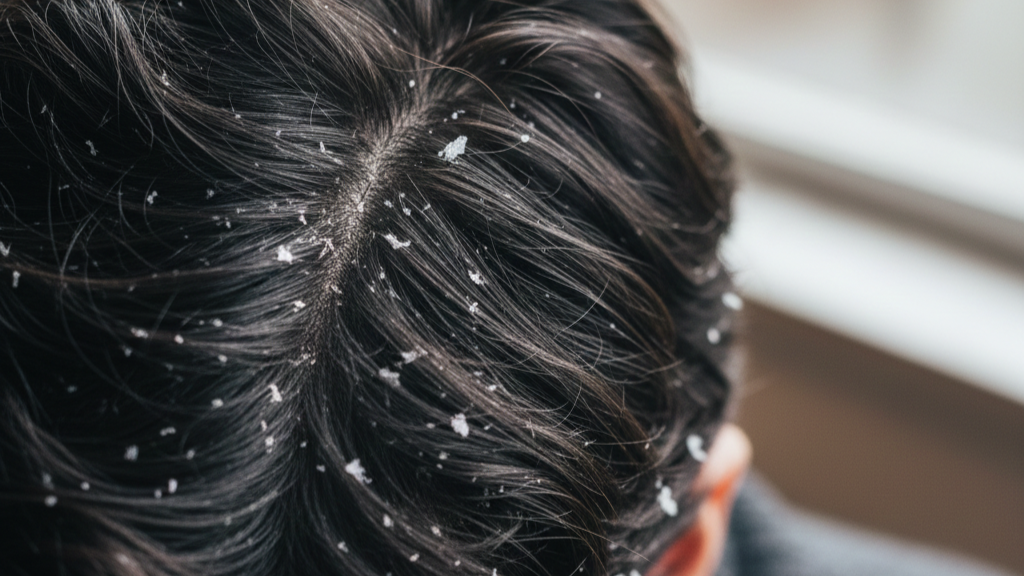
The Best Easy Ways to Control Dandruff
Dandruff is one of the most common scalp problems, affecting people of all ages. Dr. Desai’s Skin, Hair & Laser Clinic White flakes on the scalp and shoulders, itching, and scalp irritation can be embarrassing and uncomfortable. While dandruff is not dangerous, ignoring it can lead to persistent itching and hair fall due to scalp inflammation.
The good news is that dandruff can be controlled effectively with the right scalp care, lifestyle habits, and professional treatment when needed.
What Is Dandruff?
Dandruff is a scalp condition where dead skin cells shed faster than normal, forming visible white or yellow flakes. It is often accompanied by itching and dryness or oiliness of the scalp.
Common Causes of Dandruff
Dry Scalp
Cold weather, dehydration, or excessive shampooing can dry out the scalp and cause flaking.
Oily Scalp and Seborrheic Dermatitis
Excess oil encourages fungal growth, leading to greasy flakes and redness.
Fungal Infection
A yeast-like fungus called Malassezia can trigger dandruff when it grows excessively on the scalp.
Poor Hair Hygiene
Infrequent washing allows oil and dead skin to build up on the scalp.
Stress and Lifestyle Factors
Stress weakens the immune response, making dandruff worse.
Skin Conditions
Conditions like psoriasis or eczema can also cause severe flaking.
Easy Ways to Control Dandruff
Use an Anti-Dandruff Shampoo
Choose shampoos containing:
- Ketoconazole
- Zinc pyrithione
- Selenium sulfide
- Salicylic acid
Use as advised and avoid over-washing.
Wash Your Hair Regularly
Regular washing helps remove excess oil, dirt, and flakes. Adjust frequency based on your scalp type.
Avoid Harsh Hair Products
Hair gels, sprays, and chemical treatments can irritate the scalp and worsen dandruff.
Keep Your Scalp Moisturized
A dry scalp needs hydration. Use dermatologist-recommended scalp serums or conditioners on hair lengths only.
Manage Stress
Practicing yoga, meditation, or regular exercise helps reduce dandruff flare-ups.
Eat a Healthy Diet
Include foods rich in:
- Zinc
- Omega-3 fatty acids
- B vitamins
- Protein
Good nutrition supports scalp health.
Avoid Scratching the Scalp
Scratching damages the scalp and can lead to infection or hair fall.
Home Remedies: Do They Work?
Some home remedies may provide temporary relief but do not treat the root cause. Using unverified remedies can worsen dandruff. For persistent dandruff, medical treatment is more effective and safer.
When Should You See a Dermatologist?
Consult a dermatologist if:
- Dandruff is severe or persistent
- There is intense itching or redness
- You notice hair fall due to dandruff
- Over-the-counter shampoos don’t help
A dermatologist can identify the cause and suggest targeted treatment.
Can Dandruff Cause Hair Fall?
Dandruff itself does not directly cause hair loss, but constant itching and scalp inflammation can weaken hair roots and increase hair fall.
FAQs
Is dandruff contagious?
No, dandruff is not contagious.
Can dandruff be cured permanently?
It can be controlled effectively but may recur if scalp care is neglected.
Does oiling the scalp help dandruff?
Excess oiling can worsen fungal dandruff.
Can dandruff occur in children?
Yes, dandruff can affect all age groups.
Is dandruff linked to hair type?
No, dandruff can occur on both dry and oily scalps.
Conclusion
Dandruff is a common scalp condition, but with proper care and the right treatment, it can be easily managed. Simple changes in hair care, lifestyle, and timely dermatological treatment can keep your scalp healthy, itch-free, and flake-free, Dr. Desai’s Skin, Hair & Laser Clinic.