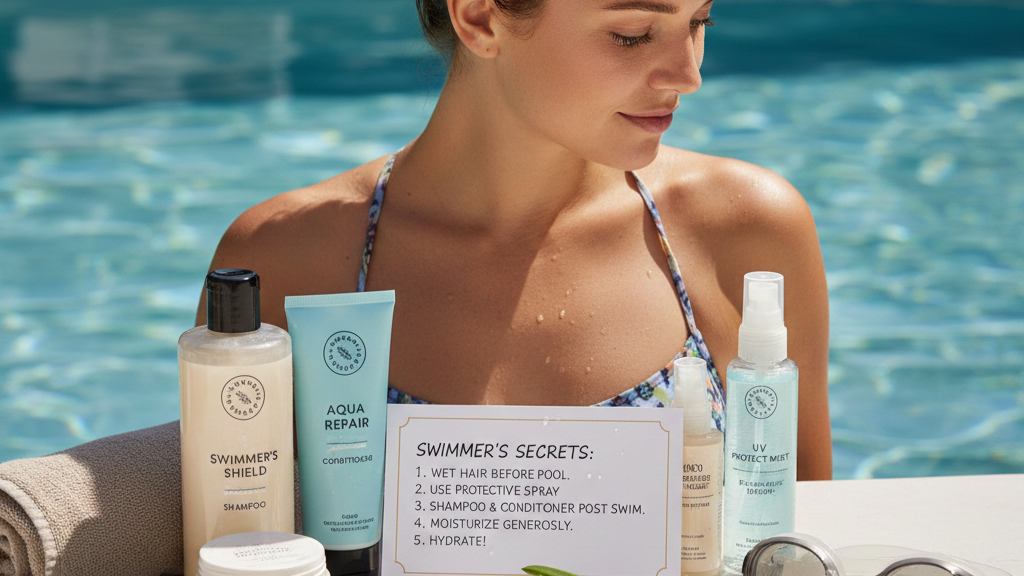
Best Hair and Skin Care Tips for Swimmers by a Dermatologist
Swimming is an excellent full-body workout and a great way to stay fit, but frequent exposure to pool chemicals and sun can damage both your hair and skin Dr. Desai’s Skin, Hair & Laser Clinic. Chlorine, saltwater, and prolonged sun exposure can lead to dryness, irritation, hair breakage, and pigmentation issues.
Following the right care routine helps swimmers protect their hair and skin while enjoying the benefits of swimming.
- How Swimming Affects Hair and Skin
- Hair Care Tips for Swimmers
- Skin Care Tips for Swimmers
- Special Care for Outdoor Swimmers
- Common Hair and Skin Problems in Swimmers
- When Should Swimmers See a Dermatologist?
- Best Hair and Skin Care Tips for Swimmers FAQs
- Conclusion of Best Hair and Skin Care Tips for Swimmers
How Swimming Affects Hair and Skin
Effect of Chlorine on Hair
- Dries out the hair shaft
- Causes frizz and breakage
- Leads to hair discoloration
- Weakens hair roots with prolonged exposure
Effect of Chlorine on Skin
- Removes natural oils
- Causes dryness and itching
- Triggers rashes or eczema
- Leads to tanning and pigmentation
Hair Care Tips for Swimmers
Wet Your Hair Before Swimming
Wetting hair with clean water before entering the pool reduces chlorine absorption.
Apply a Protective Layer
Use a leave-in conditioner or coconut oil to protect hair from chemical damage.
Use a Swim Cap
A silicone swim cap minimizes direct exposure to chlorinated water.
Wash Hair Immediately After Swimming
Use a mild or anti-chlorine shampoo to remove chemical residue.
Deep Conditioning Is Important
Condition your hair at least twice a week to restore moisture and strength.
Avoid Frequent Heat Styling
Hair is already weakened due to chlorine exposure, so minimize heat tools.
Skin Care Tips for Swimmers
Shower Before and After Swimming
Rinsing before swimming reduces chlorine absorption, and showering after removes residues.
Apply Waterproof Sunscreen
Use a broad-spectrum sunscreen on exposed skin to prevent tanning and sun damage.
Moisturize Daily
Apply a rich moisturizer after swimming to restore lost hydration.
Avoid Harsh Soaps
Use gentle, soap-free cleansers to prevent skin dryness and irritation.
Change Out of Wet Swimwear Quickly
Staying in wet clothing can cause fungal infections and rashes.
Special Care for Outdoor Swimmers
Outdoor swimmers should take extra care due to sun exposure:
- Reapply sunscreen every 2–3 hours
- Wear protective clothing when possible
- Use antioxidants like vitamin C serums to repair sun damage
Common Hair and Skin Problems in Swimmers
- Dry and brittle hair
- Hair fall
- Dandruff
- Skin rashes
- Tanning and pigmentation
- Fungal infections
Early care prevents long-term damage.
When Should Swimmers See a Dermatologist?
Consult a dermatologist if you experience:
- Persistent hair fall
- Severe dryness or scalp irritation
- Recurrent skin rashes
- Fungal infections
- Pigmentation issues
Professional treatment helps protect hair and skin effectively.
Best Hair and Skin Care Tips for Swimmers FAQs
Is swimming bad for hair and skin?
No, but improper care can lead to damage over time.
Does saltwater damage hair?
Yes, saltwater can dry out hair and cause breakage if not cared for properly.
Can swimmers develop dandruff?
Yes, frequent exposure to chlorine can cause scalp dryness and dandruff.
Is oiling hair before swimming helpful?
Yes, applying a light oil helps reduce chemical absorption.
How often should swimmers wash their hair?
After every swim session using a gentle shampoo.
Conclusion of Best Hair and Skin Care Tips for Swimmers
Swimming offers many health benefits, but regular exposure to chlorine and sun requires extra hair and skin care. Dr. Desai’s Skin, Hair & Laser Clinic By following dermatologist-recommended routines and seeking professional help when needed, swimmers can maintain healthy hair and glowing skin without compromising their fitness goals.