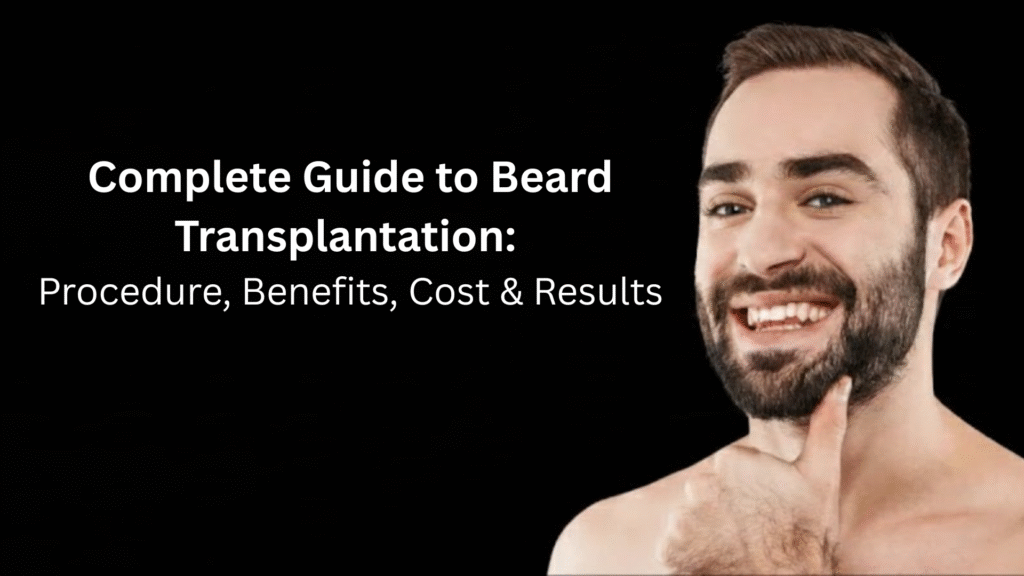
Complete Guide to Beard Transplantation: Procedure, Benefits, Cost & Results
A well-shaped, dense beard has become a symbol of confidence and style for many men. However, not everyone can naturally grow a full or even beard. Patchy growth, scars, hormonal factors, or genetics often prevent proper beard development. In such cases, beard transplantation offers a permanent and natural-looking solution.
This complete guide explains what beard transplantation is Dr. Desai’s Skin, Hair & Laser Clinic, how it works, who it is suitable for, and what results you can realistically expect.
- What Is Beard Transplantation?
- Who Is an Ideal Candidate for Beard Transplant?
- Causes of Poor Beard Growth
- Beard Transplant Techniques
- Step-by-Step Beard Transplant Procedure
- Recovery and Aftercare
- Beard Transplant Results Timeline
- Benefits of Beard Transplantation
- Are There Any Risks?
- Cost of Beard Transplantation in Bengaluru
- Complete Guide to Beard Transplantation: Procedure, Benefits, Cost & Results FAQs
- Conclusion
What Is Beard Transplantation?
Beard transplantation is a cosmetic procedure where healthy hair follicles are taken from a donor area—usually the back or sides of the scalp—and transplanted into areas of the face with thin or no beard growth. These transplanted follicles grow naturally and permanently, just like regular beard hair.
Modern techniques ensure precise placement, natural hair direction, and minimal scarring.
Who Is an Ideal Candidate for Beard Transplant?
You may be a good candidate if you:
- Have patchy or uneven beard growth
- Cannot grow a beard due to genetics or hormonal reasons
- Have beard hair loss due to scars, burns, or injuries
- Want to improve beard density, shape, or thickness
- Are in good overall health with a sufficient donor area
A consultation with a qualified specialist helps determine suitability and expected results.
Causes of Poor Beard Growth
Several factors can affect beard growth, including:
- Genetics – The most common cause
- Hormonal imbalance – Low androgen levels
- Scarring or trauma – Accidents, burns, or surgery
- Alopecia or skin conditions
- Uneven natural growth patterns
Beard transplantation addresses these issues by redistributing healthy follicles to the required areas.
Beard Transplant Techniques
FUE (Follicular Unit Extraction)
This is the most commonly used and preferred technique.
- Individual hair follicles are extracted one by one
- No linear scar
- Faster healing and minimal discomfort
- Natural-looking results
FUT (Follicular Unit Transplantation)
- A strip of skin is removed from the donor area
- Leaves a linear scar
- Less commonly used for beard transplants today
FUE is generally recommended for facial hair transplantation due to precision and aesthetics.
Step-by-Step Beard Transplant Procedure
- Consultation and Beard Design
The beard shape, density, and hairline are planned based on facial structure. - Donor Area Preparation
Hair follicles are selected from the scalp, usually the back of the head. - Follicle Extraction
Healthy follicles are carefully extracted using the FUE method. - Implantation
Follicles are implanted into beard areas at specific angles to match natural growth. - Recovery
Mild redness and swelling subside within a few days.
The procedure usually takes 4–8 hours, depending on the number of grafts.
Recovery and Aftercare
- Mild swelling and redness for 2–3 days
- Small scabs fall off within 7–10 days
- Avoid touching or shaving the beard area initially
- Follow prescribed medications and skincare instructions
- Normal activities can be resumed within a few days
Proper aftercare ensures optimal growth and long-lasting results.
Beard Transplant Results Timeline
- First 2–4 weeks: Transplanted hair may shed (normal phase)
- 3–4 months: New beard hair starts growing
- 6–9 months: Visible improvement in density
- 12 months: Final, permanent results
The transplanted beard grows naturally and can be trimmed or styled as desired.
Benefits of Beard Transplantation
- Permanent and natural-looking beard growth
- Improved facial appearance and confidence
- Customized beard shape and density
- No special maintenance required after growth
- Safe and effective when done by experts
Are There Any Risks?
Beard transplantation is generally safe when performed by experienced professionals. Minor side effects may include:
- Temporary redness or swelling
- Mild itching during healing
- Rare risk of infection if aftercare is ignored
Choosing a reputable clinic significantly minimizes risks.
Cost of Beard Transplantation in Bengaluru
The cost of beard transplantation varies based on:
- Number of grafts required
- Technique used (FUE preferred)
- Doctor’s expertise
- Clinic location and facilities
On average, beard transplant costs in India range from ₹40,000 to ₹1,20,000, depending on individual needs.
Complete Guide to Beard Transplantation: Procedure, Benefits, Cost & Results FAQs
Is beard transplantation permanent?
Yes, transplanted hair follicles are permanent and grow naturally for a lifetime.
Does the procedure look natural?
When done correctly, hair direction, angle, and density closely match natural beard growth.
Is the procedure painful?
Local anesthesia is used, making the procedure comfortable with minimal discomfort.
When can I start shaving after a beard transplant?
Light trimming is usually allowed after 3–4 weeks, once healing is complete.
Can beard transplant cover scars?
Yes, beard transplantation is effective in covering scars and patchy areas.
Conclusion
Beard transplantation is a reliable and permanent solution for men struggling Dr. Desai’s Skin, Hair & Laser Clinic with patchy or absent beard growth. With advanced techniques like FUE, the procedure offers natural results, minimal downtime, and long-term satisfaction. Consulting an experienced specialist ensures proper planning, safe execution, and the best possible outcome.