What to Expect After a Hair Transplant
Timeline, Recovery, and Results
A hair transplant is a long-term solution for hair loss, but the results don’t appear overnight. Many patients feel anxious after the procedure because they don’t know what’s normal and what’s not.
This guide explains what to expect after a hair transplant, from the first day to one year, including healing stages, hair shedding, regrowth, and final results Dr. Desai’s Skin, Hair & Laser Clinic
- Immediately After Hair Transplant (Day 0–2)
- First Week After Hair Transplant
- 7–14 Days After Hair Transplant
- Hair Shedding Phase (2–8 Weeks)
- 2–3 Months After Hair Transplant
- 3–4 Months After Hair Transplant
- 6 Months After Hair Transplant
- 9–12 Months After Hair Transplant
- What Is Normal After a Hair Transplant?
- What Is NOT Normal After a Hair Transplant?
- Post Hair Transplant Care Tips
- When Can You Resume Normal Activities?
- Hair Transplant Aftercare at Desai’s Skin, Hair & Laser Clinic
- Final Thoughts
Immediately After Hair Transplant (Day 0–2)
Right after the procedure, the scalp begins the healing process.
Common Experiences
- Mild pain or discomfort
- Redness in the transplanted and donor areas
- Swelling on the forehead or around the eyes
- Tiny scabs around grafts
These symptoms are temporary and usually settle within a few days.
First Week After Hair Transplant
Healing and Scab Formation
- Small scabs form around each graft
- Scalp may feel tight or itchy
- Donor area starts healing
It is important not to scratch or pick scabs, as this can dislodge grafts.
7–14 Days After Hair Transplant
Scab Shedding Phase
- Scabs begin to fall off naturally
- Redness gradually reduces
- Grafts become more secure
By the end of two weeks, the scalp usually looks much better, though mild redness may persist in some people.
Hair Shedding Phase (2–8 Weeks)
Is Hair Shedding Normal?
Yes. This is one of the most misunderstood stages.
- Transplanted hair falls out
- Hair follicles remain safely under the skin
- Known as “shock loss”
Shedding is a normal and expected part of recovery.
2–3 Months After Hair Transplant
Resting Phase
- Minimal visible growth
- Scalp looks similar to pre-transplant stage
- Patients often worry during this period
This phase requires patience. Hair follicles are preparing for new growth.
3–4 Months After Hair Transplant
Early Hair Growth Begins
- Fine, thin hair starts emerging
- Hair may appear uneven
- Texture may feel soft or curly
This is the beginning of visible improvement. Where your hair start to appear.
6 Months After Hair Transplant
Noticeable Improvement
- Hair density improves
- Coverage becomes more visible
- Hair looks stronger and thicker
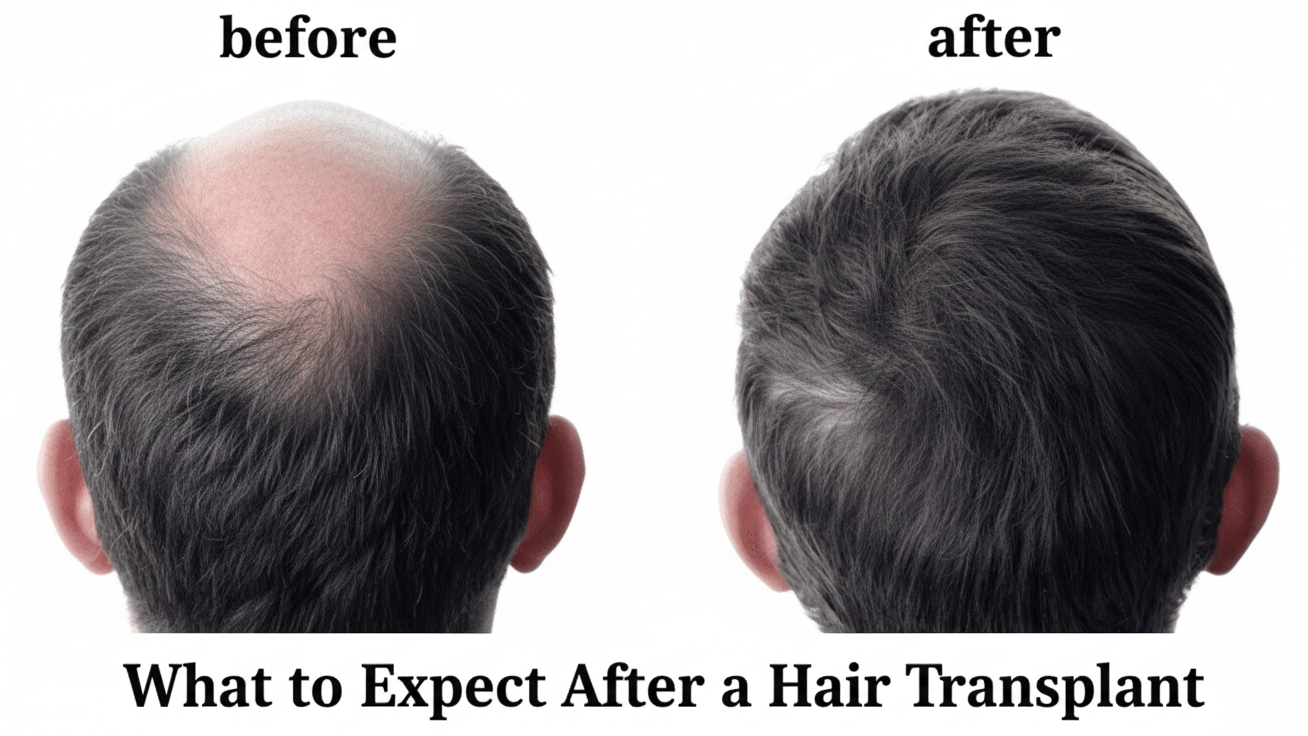
Around 50–60% of final results are usually visible by this stage.
9–12 Months After Hair Transplant
Final Results
- Hair reaches natural thickness
- Texture becomes normal
- Hair blends with existing hair
Most patients see full results within one year, though some may continue to improve up to 15 months.
What Is Normal After a Hair Transplant?
Normal post-transplant signs include:
- Temporary redness
- Mild itching
- Hair shedding
- Uneven early growth
These are all part of the healing and growth cycle.
What Is NOT Normal After a Hair Transplant?
Consult a doctor if you experience:
- Severe pain
- Persistent swelling
- Infection signs
- Sudden patchy hair loss
Early intervention prevents complications.
Post Hair Transplant Care Tips
Do’s
- Follow washing instructions carefully
- Sleep with head elevated initially
- Attend follow-up appointments
Don’ts
- Avoid smoking and alcohol
- Avoid swimming and heavy workouts initially
- Avoid scratching the scalp
Good aftercare directly affects results.
When Can You Resume Normal Activities?
- Office work: 2–3 days
- Light exercise: 2–3 weeks
- Gym and swimming: 4–6 weeks
- Hair styling and colouring: after doctor approval
Timelines may vary depending on healing.
Hair Transplant Aftercare at Desai’s Skin, Hair & Laser Clinic
At Dr. Desai’s Skin, Hair & Laser Clinic, post-transplant care focuses on:
- Clear recovery guidance
- Regular follow-ups
- Monitoring hair growth progress
- Long-term hair health support
If you’re planning or recovering from a hair transplant, you can book a consultation through our contact page.
Final Thoughts
Knowing what to expect after a hair transplant helps reduce anxiety and improves satisfaction. Healing, shedding, and regrowth are all normal phases. Patience, proper aftercare, and realistic expectations are key to achieving natural, long-lasting results.